
Resources

Add Your Heading Text Here

FSMA 204 guides, SQF checklists, BRCGS audit prep, and document-management best practices — written for teams who have to stay audit-ready every day.

food manufacturing audit readiness

How Top Food Manufacturers Stay Audit-Ready 365 Days a Year

Food manufacturers operate in one of the most highly regulated industries in the world. Whether preparing for a certification audit, a customer assessment, or a regulatory inspection, maintaining consistent compliance is essential. However, organisations that only prepare for aud
food-safety-management-system-software

What Is Food Safety Management System Software? (Features & Benefits)
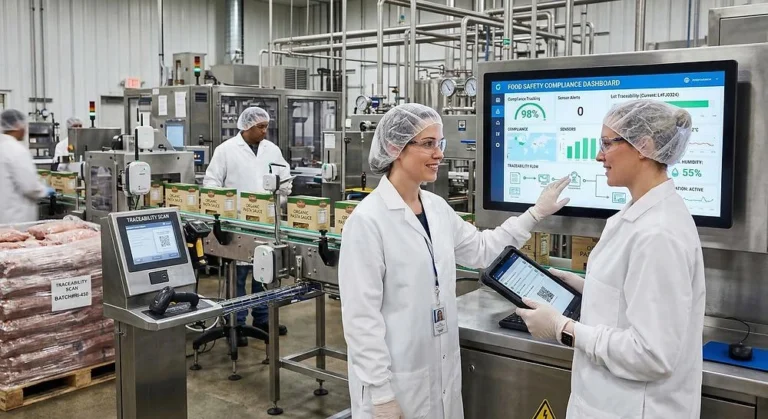
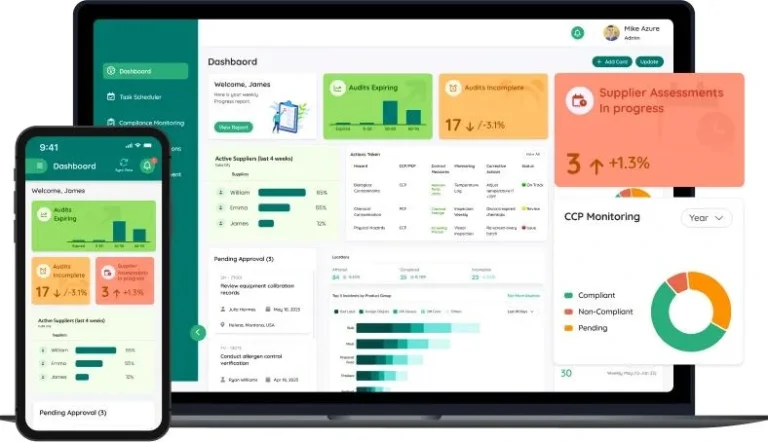
Food safety compliance is increasingly more complex because food regulations are changing, customer demands are rising and the interdependency of food supply chains is getting bigger. Keeping records on paper or in separate spreadsheets can be cumbersome and challenging in terms

allergen-management-documentation2

Is Your Allergen Management Documentation Audit-Ready? Find Out Now

Food allergen control is one of the most tightly monitored aspects of food safety. If you are being audited for SQF, BRCGS, FSSC 22000, or a customer, and you have incomplete or out-of-date records, they can be a big source of non-conformities. Good allergen management isn’t just

haccp-plan-documentation

HACCP Plan Documentation Requirements: A Guide to Audit-Ready Records

HACCP plan documentation requirements are the minimum documentation requirements for food manufacturers to demonstrate that they have a valid Hazard Analysis and Critical Control Point (HACCP) system in place that is monitoring and controlling the hazards in food. The strength of

BRCGS vs SQF Comparison

BRCGS vs SQF Comparison Guide: Choosing the Right Food Safety Standard

A BRCGS vs SQF comparison guide helps food businesses understand the differences between two of the world’s most recognised food safety certification programmes. Both standards are Global Food Safety Initiative (GFSI) certified and aim to enhance food safety and quality managemen

Food Traceability FSMA 204 Requirements

Food Traceability FSMA 204 Requirements: What Your Business Must Track

The food traceability FSMA 204 requirements are recordkeeping requirements under the FDA’s Food Traceability Rule designed to increase the speed and accuracy of food recalls. Companies that make, process, pack, transport, store or retail food items on the Food Traceability List (

supplier-document-management-best-practices

Compliance & Efficiency: Supplier Document Management Best Practice

Managing supplier documentation is no longer simply an administrative task. Businesses are increasingly facing tough regulations and a long, complex supply line, and they need to keep up with basic supplier record-keeping, which includes accurate, organised and current supplier r

SQF Audit Preparation Checklist 2026

SQF Audit Ready: The Only 2026 Preparation Checklist You Need

The audit process can be a daunting prospect, especially since standards for food safety continue to change. Getting ready for a certification or an audit for the first time or as a renewal is not about getting it done at the last minute, but it’s about being in compliance regula

SQF audit checklist

SQF Audit Checklist: Complete Food Safety Compliance Guide for 2026

An SQF audit is a structured assessment used to verify whether a food business complies with SQF food safety standards. The programme is recognised globally and benchmarked by the Global Food Safety Initiative, making it widely accepted across international food supply chains.

BRCGS Audit Checklist

The Ultimate BRCGS Audit Checklist for Food Manufacturing (2026)

The BRCGS audit is a process-based assessment of food safety that the food factories are subjected to to ensure they meet the internationally accepted standards of food safety, quality, legal and operational definitions. A good BRCGS audit checklist food-manufacturing strategy ca

Supplier Audit Checklist

The 10-Step Supplier Audit Checklist for Quality Assurance

A supplier approval process is a documented system food manufacturers use to evaluate, qualify, and continuously monitor suppliers — ensuring every raw material, packaging component, and contracted service meets food safety, regulatory, and quality standards before entering produ

Critical Tracking Events FSMA 204 Explained

Critical Tracking Events FSMA 204 Explained

Food traceability is no longer a choice. Under the Food Safety Modernisation Act (FSMA) Rule 204 by the FDA, the companies within the food supply chain have to enhance their product-to-consumer tracking methods. Critical Tracking Events (CTEs) are one of the most significant noti

Approved Supplier Program: Build a Compliant & Scalable System

Approved Supplier Program: Build a Compliant & Scalable System

One act of contamination, non-compliance or delay in shipping can cause product recalls, fines and reputational harm to your company in years to come. Out of all companies, they need to have strict regulations enforced upon them by 2026 due to global regulation changes and more a

Downloadable SQF Edition 10 Checklist + Audit Preparation Guide

Downloadable SQF Edition 10 Checklist + Audit Preparation Guide

Every business needs an SQF 10 edition checklist, which helps audit the company. This updated checklist includes all the requirements and responsibilities a company needs, plus an efficient system to manage documents and corrective actions efficiently.

Food-safety manager planning a program at a whiteboard

How Do You Build a Food Safety Program?

No matter where you are in your food safety program journey, odds are it was built by you or a prior colleague. In either case, it is likely that your existing program will need to be modified as food safety regulations continue to change. To stay up-to-date on new or modified re

USDA vs FDA

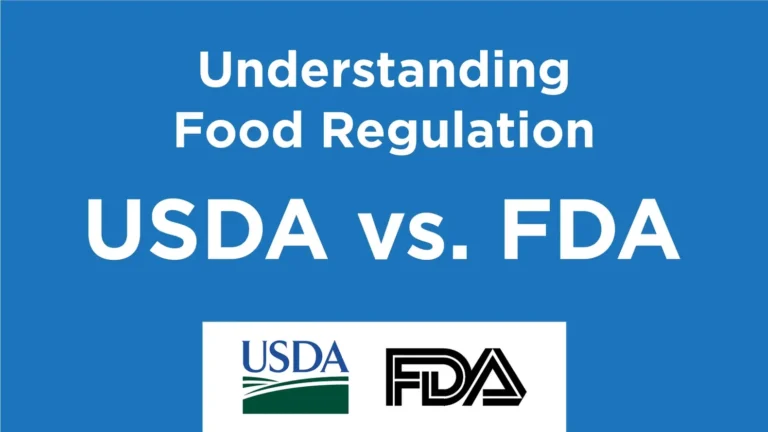
Understanding Food Regulation: USDA vs. FDA

In the United States, there are two key agencies that are involved in the regulatory oversite of food manufacturing: the USDA (United States Department of Agriculture) and the FDA (Food and Drug Administration). While both make sure that food is produced safely, they each have th

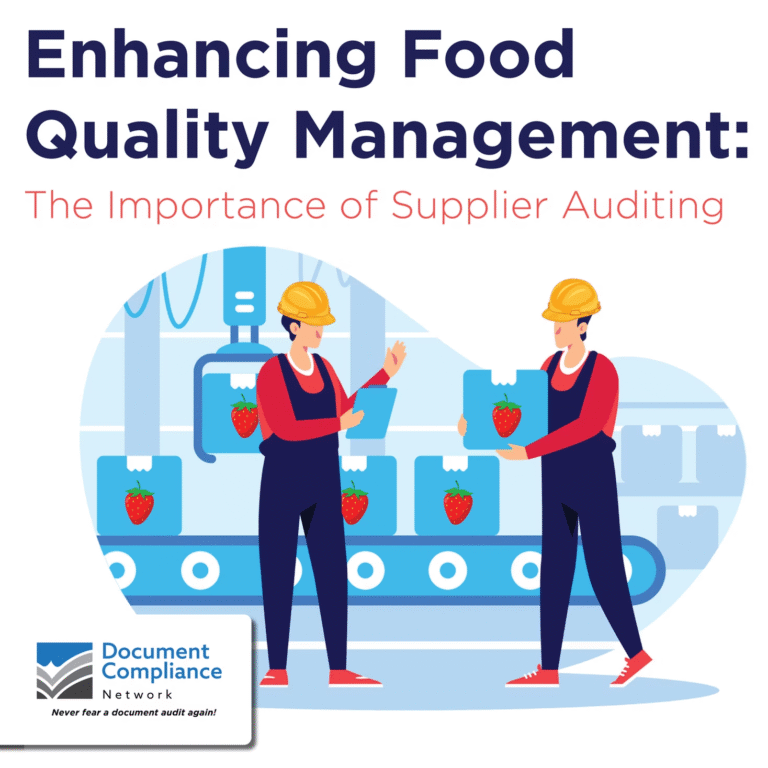
The Importance of Supplier Auditing

The Importance of Supplier Auditing

In today’s globalized food industry, ensuring the highest standards of food quality and safety is extremely important. Consumers have become increasingly conscious about the origin and quality of the products they consume, and food quality management systems play a crucial role i

New FDA Traceability Rules Coming in 2026

New FDA Traceability Rules Coming in 2026

Starting in 2026, you may need to follow new traceability rules for the foods you process. These rules apply to any manufacturer who works with foods like fresh produce and fish. Look at the FDA’s Food Traceability List for the complete list of foods affected by these rules. The

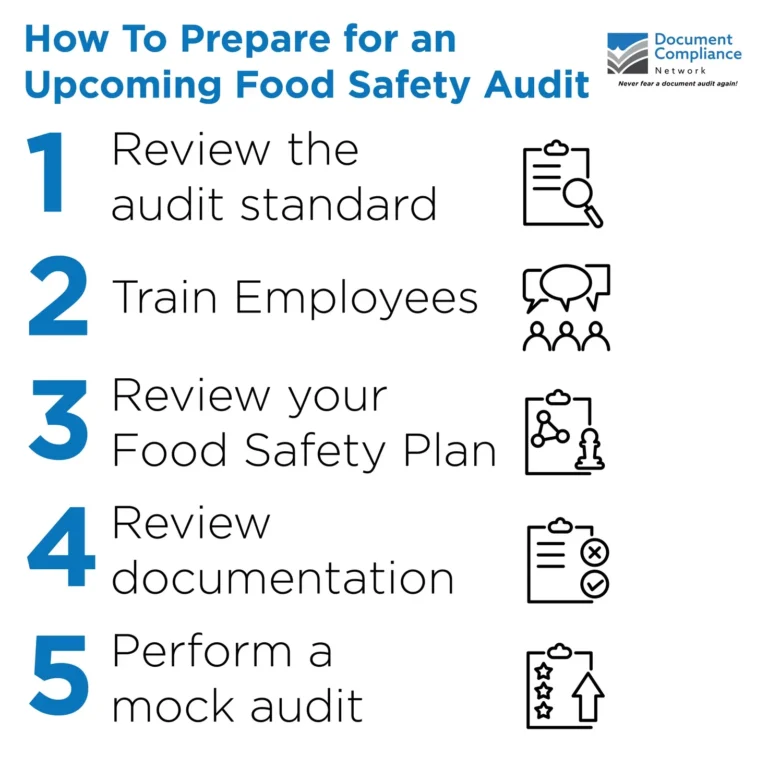
How To Prepare for An Upcoming Food Safety Audit

How To Prepare for An Upcoming Food Safety Audit

Preparing for a food safety audit can sometimes feel overwhelming. However, it doesn’t have to be a daunting task. The purpose of these audits is to ensure that your food meets the highest standards and keeps your customers safe. Let’s explore some steps that can help you confide

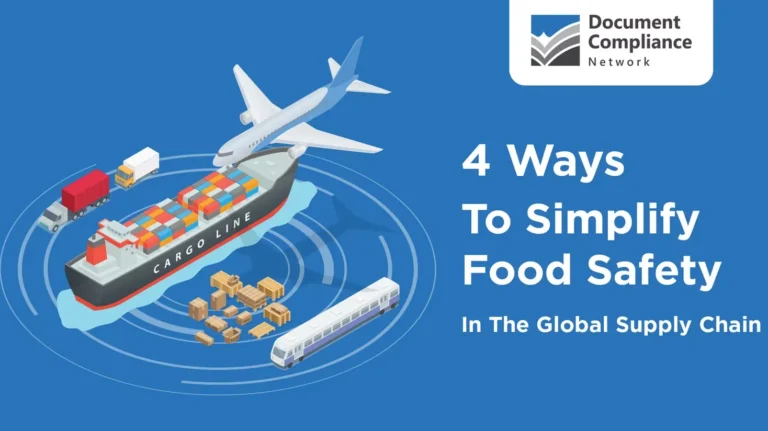
4 Ways To Simplify Food Safety Within The Supply Chain

4 Ways To Simplify Food Safety Within The Supply Chain

In an evolving world where supply chains are becoming more dynamic by the week, simplifying food safety within the supply chain has never been more important. Food manufacturers must pivot between suppliers and have the flexibility to source ingredients to meet production needs b

Section 204: Impacts on your Traceability Program

Section 204: Impacts on your Traceability Program

Section 204 is a part of the greater Food Safety Modernization Act (FSMA) regulation passed in 2010 and signed by President Barack Obama in 2011. Section 204 focuses on the Food Traceability list (FTL) was finalized and released in November 2022. The FDA requires compliance in th

SQF Mock Audit Requirements

SQF Mock Audit Requirements

Performing a mock audit against the SQF (Safe Quality Food) standard involves simulating the audit process to assess your organization’s readiness for the actual audit. There are 12 steps in performing an SQF mock audit, these steps are; Define the Scope, Select the Audit Team, R

Professional reading industry news on a tablet

November Food Safety News Round-Up

This year has been filled with changes such as blended or remote audits, a new edition of SQF, and the “New Era of Food Safety” which continues to dominate the conversation.

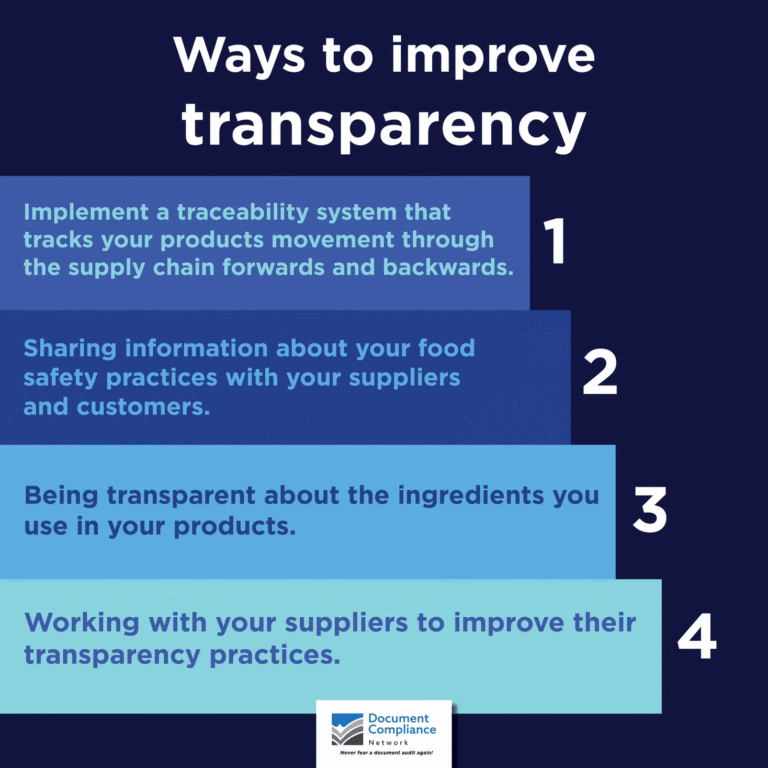
How Transparency Improves Food Safety in the Supply Chain

How Transparency Improves Food Safety in the Supply Chain

The food supply chain is complex and interconnected and travels through many hands before it gets to the end consumer. In order to keep food safe and available, it is essential that any business that touches the food from start to finish have a transparent relationship with each

Notebook, highlighter, and checklist on a desk

Practical Tips for FSQ Leaders Navigating the New Era of Food Safety

If you’re like most people, “Change Ahead,” can trigger excitement, apprehension, and a whole umbrella of emotions all at once. To a Food Safety & Quality Leader who is constantly juggling new customer requirements, new GFSI requirements, new internal requirements, and yes, new r

food safety document audit

Tips For Being Food Safety Document Audit Ready

As a food manufacturer, you may encounter a variety of audits. You could have a third party (HACCP, GFSI), regulatory (FDA inspections), customer, and internal audits. All of these audits have a common theme; producing safe food for consumers.

Pet Food Manufacturers and Food Safety Documentation: Why It Matters

Pet Food Manufacturers and Food Safety Documentation: Why It Matters

Fido is more than man’s best friend, he is family now. Many pets like dogs and cats are now more like family to many that own them. We rely on pet food companies to make the food that we feed our pets. For the purpose of this article, we will be focusing on the regulation and pra

Laptop dashboard in a plant office

New Era of Food Technology and How Document Compliance Network Can Help

Whether you have a simple or complex supply chain, documentation management can be overwhelming. At the moment, you’re probably manually tracking and managing your food safety documentation. I’ll even bet that the documents are stored in a binder in someone’s office or saved in a

How Food Safety Culture is Reflected in Document Management Maturity

How Food Safety Culture is Reflected in Document Management Maturity

Imagine, it’s your first day in a new Food Safety & Quality (FSQ) role at a new company. You’re anxious to review things like the HACCP and Food Safety plans and review supplier approval documents to understand the current plan and the critical elements of your food safety progra

Certificate folder on a stainless QA table

BRCGS Certification: All Of Your FSQ Questions Answered

The British Retail Consortium Global Standard is formally known as BRC, widely recognized now as BRCGS, was created in 1996.¹ The BRCGS standard exists to standardize food safety across the supply chain. This was also the first standard accepted by the Global Food Safety Initiati

Clipboard and safety glasses on a prep table

Tips for Preparing for a BRCGS Audit

Well before the date of the BRCGS audit, review all food safety documentation for any changes to your process, supplies, or ingredients. Do not leave this to the last minute. Technically, you should be food safety document audit-ready at ALL times! Supply documents like Organic,

Small training classroom in lab coats

SQF Certifications: All of your SQF questions answered

Safe Quality Foods (SQF) was first developed in Australia in 1994 and recognized by the Global Food Safety Initiative in 2004.¹ The standard was purchased by Food Marketing Institute (FMI) in 2003 and now benefits from direct input from food retailers, manufacturers, and producti

Two open binders being compared on a desk

New SQF 9th Edition Changes: What Does This Mean For You?

SQF has released the changes they are making from the 8.1 edition to the 9th Edition. The new additions are focused on creating and maintaining a food safety culture at your plant, updated training requirements, recall testing, and supplier and formulation documentation. The SQF

Person scanning paper files beside a laptop

Document Management 101 and Why it’s More than a Paper Exercise

When starting a Quality Management System, whether internal or external, I always ask how the team will manage all the related documents. In a recent conversation with a Food Safety & Quality Manager with several years of experience, I assumed we had a shared understanding of the